
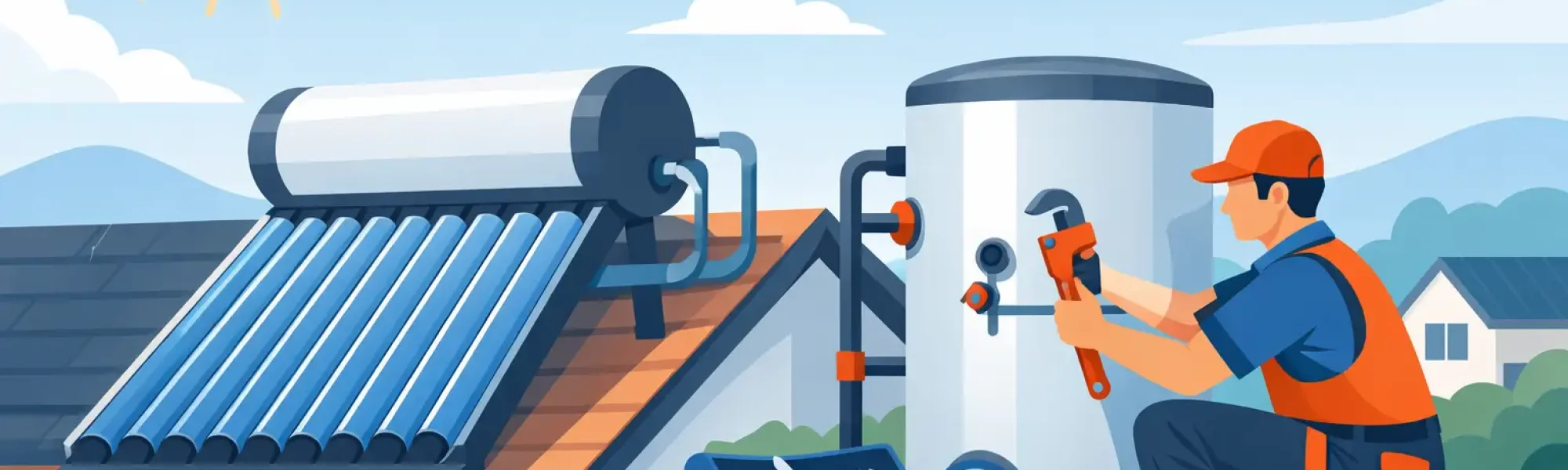
A solar water heater should take advantage of Palm Beach County sunshine, not leave your home or property without dependable hot water. When water is lukewarm, a tank leaks, a pump runs constantly, or the system stops producing hot water altogether, a professional solar water heater repair service can identify the cause before a small issue becomes water damage, wasted energy, or a complete system failure.
Solar water heaters have more parts than a standard electric tank heater. The roof-mounted collectors, plumbing lines, circulating pump, control equipment, storage tank, valves, sensors, and backup heating source all need to work together. That is why a proper diagnosis matters. Replacing a part based on a guess can add expense without correcting the actual problem.
Signs You May Need Solar Water Heater Repair Service
The most obvious sign is insufficient hot water on a bright day. Some variation is normal after several cloudy days, unusually heavy use, or when a large household uses hot water back-to-back. But if performance has changed noticeably and does not recover, the system should be inspected.
Leaks also require prompt attention. Water around the storage tank, at valves, near the pump, or beneath solar collector piping can lead to corrosion, damaged ceilings, and higher water bills. A pressure relief valve that drips continuously may point to excessive system pressure, a failed valve, or an expansion-related issue. It should not be ignored or capped off.
Other warning signs include discolored hot water, unusual noises from the pump or tank, a breaker that trips, visible corrosion, or a control panel showing an error. In some active solar systems, the circulating pump may fail quietly. The collectors still receive sunlight, but heat is not transferred properly to the storage tank.
Property managers should also watch for gradual changes. A system that technically produces hot water but takes much longer than it did before may have mineral buildup, deteriorating insulation, sensor problems, or a developing circulation issue. Addressing that decline early can help avoid an inconvenient outage for residents, guests, or employees.
What a Professional Solar Water Heater Repair Service Checks
A complete service visit begins with the equipment you can see and the performance you cannot. The technician will discuss when the problem began, whether it occurs every day or only at certain times, and whether recent plumbing or electrical work may be related. That background helps narrow the diagnosis.
Tank, Valves, and Plumbing Connections
The storage tank is inspected for leaks, rust, corrosion, failing fittings, and pressure concerns. Connections at the cold-water supply, hot-water outlet, tempering valve, isolation valves, and relief valve all need to be secure and functioning correctly. A faulty mixing or tempering valve can make water feel lukewarm even when the tank is storing adequate heat.
Florida water conditions can also contribute to mineral accumulation. Sediment inside a tank can reduce heating efficiency and shorten component life. Depending on the system design and condition, the proper solution may be maintenance, a component replacement, or a discussion about whether replacement is more cost-effective than continuing repairs.
Collectors, Roof Piping, and Circulation
Roof-mounted collectors and their supply and return lines are central to solar water heating performance. A technician checks accessible piping for leaks, damaged insulation, loose connections, and signs that circulation is restricted. Collector concerns may include cracked glazing, deteriorated seals, internal leaks, or physical damage from storms and debris.
Not every roof issue is a solar collector failure. A leak that appears near solar equipment can originate from plumbing penetrations, deteriorated seals, or the roofing system itself. Careful diagnosis is the difference between making a targeted plumbing repair and sending a property owner down the wrong path.
Pumps, Controls, Sensors, and Backup Heat
Active solar water heaters use controls and sensors to determine when hot fluid should circulate between the collectors and the tank. If a temperature sensor gives inaccurate readings, the pump may not run when needed. If the pump has failed, the system may not move heated water effectively. Electrical connections, control settings, breakers, and related components should be checked safely and methodically.
Many solar systems also include an electric or gas backup source. This backup is valuable during extended cloudy periods or periods of high demand, but it can mask a solar-side problem. A system may still provide hot water while consuming more energy than it should. Testing both the solar components and the backup operation gives a clearer picture of the system’s condition.
Why Solar Water Heater Problems Should Not Wait
A minor leak can turn into significant water damage, particularly when a tank is located in an attic, utility closet, or upper-floor mechanical space. Constant pressure loss can affect circulation. A failed relief valve can create a safety concern. Electrical and pump problems can also leave a household or commercial property with little warning before hot water stops altogether.
There is also the cost of lost efficiency. Solar water heaters are installed to reduce reliance on conventional energy sources. When controls, circulation equipment, or collector piping are not working as designed, the backup heater may carry more of the load. The result can be higher utility costs even though the equipment appears to be operating.
For commercial properties, reliable hot water supports daily operations. Restaurants, rental properties, offices with employee facilities, and other businesses may face tenant complaints, disrupted routines, or health and sanitation concerns when hot water becomes inconsistent. Fast diagnostic service helps decision-makers address the immediate issue and plan appropriately if the equipment is nearing the end of its useful life.
Repair or Replacement: Making the Practical Choice
The right answer depends on the age of the system, the condition of the tank and collectors, the availability of replacement parts, and the nature of the failure. A worn sensor, leaking valve, damaged pipe section, or failed pump may be a straightforward repair. A severely corroded tank, repeated collector leaks, or obsolete control equipment may make replacement the better long-term investment.
It is also worth considering the rest of the hot-water system. If the backup heater is undersized, the household’s hot-water use has increased, or plumbing changes have affected delivery time at fixtures, repair alone may not solve every comfort concern. A qualified plumbing professional can explain which issue is causing the immediate failure and which upgrades are optional improvements.
Homeowners should be cautious about rooftop repairs or work on pressurized, hot plumbing lines. Solar collectors can become extremely hot, and improperly handled valves or piping can cause burns, leaks, or damage. Electrical controls and backup heating equipment add another reason to leave diagnosis and repair to trained professionals.
Keep the System Working Between Service Visits
You do not need to inspect the roof equipment yourself to protect a solar water heater. Pay attention to changes in water temperature, water color, noises, and visible leakage around the tank or plumbing connections. Keep the area around the tank accessible, and do not store items where they block valves or make an inspection difficult.
If you are leaving a home vacant for an extended period, ask a plumbing professional about the appropriate system settings for your equipment. The best approach varies by system type, backup source, and property conditions. Avoid shutting off or changing valves unless you understand their purpose.
North County Plumbing provides professional water-heating diagnostics and repair support for homeowners, property managers, and commercial properties throughout Palm Beach County. When solar hot water performance changes, timely service can protect your equipment, conserve water and energy, and restore the dependable hot water your property needs.
If you notice a leak, loss of hot water, or an unexplained change in system performance, arrange service before the next minor symptom has a chance to become a larger repair.