
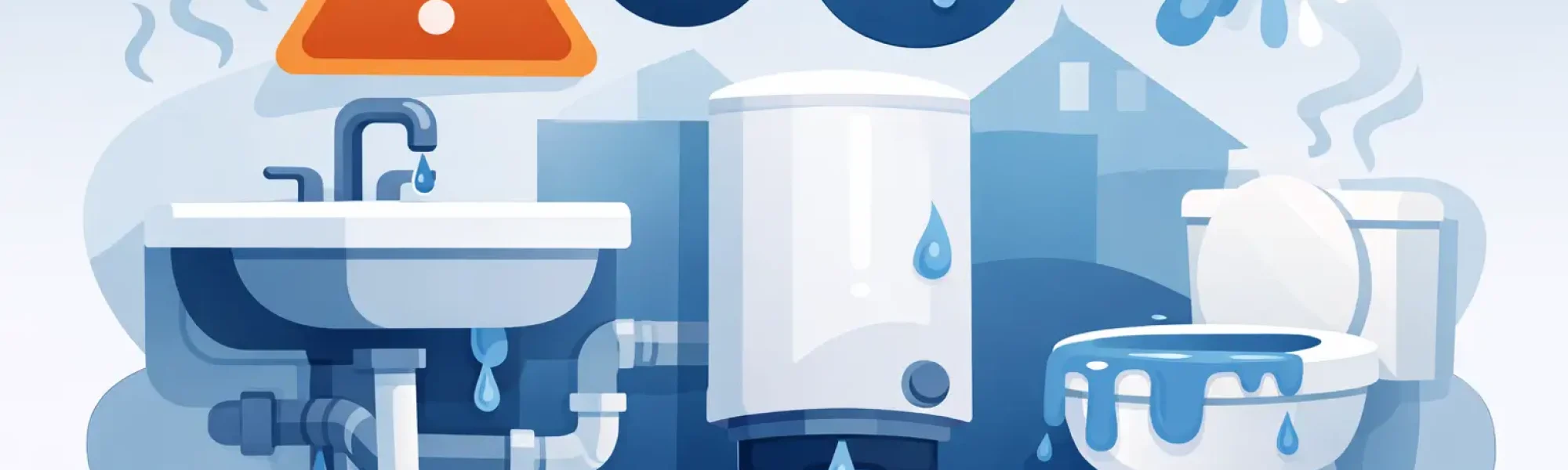
A slow drain may seem like a minor inconvenience until it becomes a backup in the shower, kitchen, or restroom. Plumbing repair is often most affordable when the problem is addressed early, before water reaches cabinets, flooring, walls, or business operations. For homeowners and property managers in Palm Beach County, knowing what to watch for can prevent a small service call from turning into a larger restoration project.
Some plumbing problems are obvious, such as a burst pipe or a water heater that stops producing hot water. Others develop quietly behind walls, under slabs, or in drain lines. The right response depends on the source of the problem, the age and condition of the system, and whether water is actively causing damage.
When Plumbing Repair Needs Immediate Attention
Active leaks, sewage backups, and loss of water service should be treated as urgent plumbing concerns. Shut off water at the nearest fixture valve when possible. If the leak involves a supply line, toilet, water heater, or appliance connection and cannot be isolated, use the main shut-off valve and request professional service.
Water that is spreading across a floor can damage much more than the visible area. It can reach baseboards, drywall, electrical components, stored inventory, and lower levels of a property. Even a pinhole leak can release a significant amount of water over time, particularly when it occurs inside a wall or beneath a sink where it may go unnoticed.
A sewer backup also requires prompt attention. Do not continue running water into sinks, showers, or toilets if wastewater is coming back through a drain. This can worsen the backup and create an unsanitary condition. A professional drain and sewer diagnosis can identify whether the restriction is in a fixture drain, a branch line, the main sewer line, or a connection outside the building.
For commercial properties, a plumbing emergency can interrupt customers, employees, tenants, and daily operations. A failed restroom, leaking water main, or commercial water heater issue needs a response that accounts for both the immediate repair and the reliability of the system after service is complete.
Signs of a Hidden Leak
Not every leak produces a visible puddle. A higher-than-normal water bill is often one of the first warnings, especially when water use has not changed. Other signs include a water meter that continues moving when all fixtures are off, damp areas on walls or ceilings, peeling paint, musty odors, and soft or discolored flooring.
Toilets are another common source of hidden water waste. A toilet that runs intermittently may have a worn flapper, fill valve problem, or another issue inside the tank. While the repair can be straightforward, ignoring it can waste a substantial amount of water and raise monthly utility costs.
Outdoor leaks deserve attention as well. Water main connections, irrigation-related plumbing, hose bibs, and exterior piping may be exposed to weather and ground movement. A persistently wet area in the yard or reduced water pressure inside the property can point to a supply-side issue that should be professionally diagnosed.
Drain Problems That Should Not Be Ignored
A single slow sink may be caused by buildup near that fixture. When several drains are slow, gurgling, or backing up at the same time, the issue may be farther down the plumbing system. This distinction matters because pouring a store-bought chemical into a drain will not correct a damaged, root-intruded, or obstructed sewer line.
Recurring clogs are another warning sign. If a toilet needs frequent plunging or a kitchen sink repeatedly backs up, the line may have grease buildup, scale, a foreign object, or a pipe condition that requires more than a temporary clearing. Professional drain clearing removes many blockages safely, while video pipe inspection can show the actual condition inside the line.
Video inspection is especially useful when a problem keeps returning or when a property has older piping. It allows the technician to identify breaks, offsets, corrosion, root intrusion, and other conditions without guessing or opening surfaces unnecessarily. The result is a repair recommendation based on what is happening inside the pipe, not just on the symptom at the drain.
Avoid treating chemical drain cleaners as a long-term solution. They can be hard on certain pipes and fixtures, may not reach the real blockage, and can create a handling hazard when a technician later services the line. A plunger or properly used drain tool may help with a simple fixture clog, but repeated problems call for professional evaluation.
Water Heater Issues Need More Than a Quick Reset
No hot water is disruptive, but inconsistent hot water can be just as telling. Water that turns cold quickly, unusual noises from the tank, rusty water, leaks around the unit, or a pilot light that will not stay lit are all reasons to schedule service.
The right water heater repair depends on the type of equipment. Electric, gas, solar, point-of-use, recirculating, and commercial systems each have different components and diagnostic needs. A failed heating element is not the same issue as a gas control problem, sediment buildup, a failing circulation pump, or a leaking tank.
Age also affects the decision between repair and replacement. If a unit has been dependable and the issue is limited to a serviceable component, repair may be the practical choice. If the tank is leaking, the equipment is near the end of its expected service life, or breakdowns are becoming frequent, replacement can offer more reliable hot water and fewer interruptions. Businesses may also need to consider capacity, recovery rate, and operating demand rather than simply replacing a unit with the same size.
Protecting Fixtures, Valves, and Water Quality Systems
Fixtures and shut-off valves are easy to overlook until they fail. A dripping faucet, loose toilet, leaking garbage disposal connection, or seized shut-off valve can become a larger problem during an emergency. Valves should operate when needed, particularly at toilets, sinks, water heaters, and main water supply locations.
Water treatment equipment also benefits from regular service. Reverse osmosis systems and water softeners have filters, connections, and components that need proper installation and maintenance. Reduced water flow, changes in water taste, salt bridging, or leaks around treatment equipment may indicate that service is needed. The goal is not only better water quality but also dependable operation without leaks or pressure problems.
Backflow devices are particularly important for many commercial properties and certain residential applications. These assemblies help protect the public water supply from contamination caused by reverse flow. Installation, testing, certification, and repairs should be handled by qualified plumbing professionals familiar with the requirements for the property and system.
Why Professional Diagnosis Saves Time
A visible symptom does not always identify the failed component. Low water pressure, for example, can result from a partially closed valve, a fixture issue, a water heater condition, mineral buildup, a supply leak, or a water main problem. Replacing parts without a clear diagnosis can add cost without solving the cause.
North County Plumbing provides 24/7 service for plumbing repairs, diagnostics, drain and sewer concerns, water heaters, water treatment systems, gas piping, fixtures, and more throughout Palm Beach County. A trained professional can isolate the problem, explain the available repair options in clear terms, and complete work with the goal of restoring reliable operation.
If you notice a leak, backup, loss of hot water, or recurring drain problem, acting early gives you more options and helps protect the property you are responsible for. A prompt service call can be the difference between a contained repair and damage that reaches far beyond the plumbing system.