
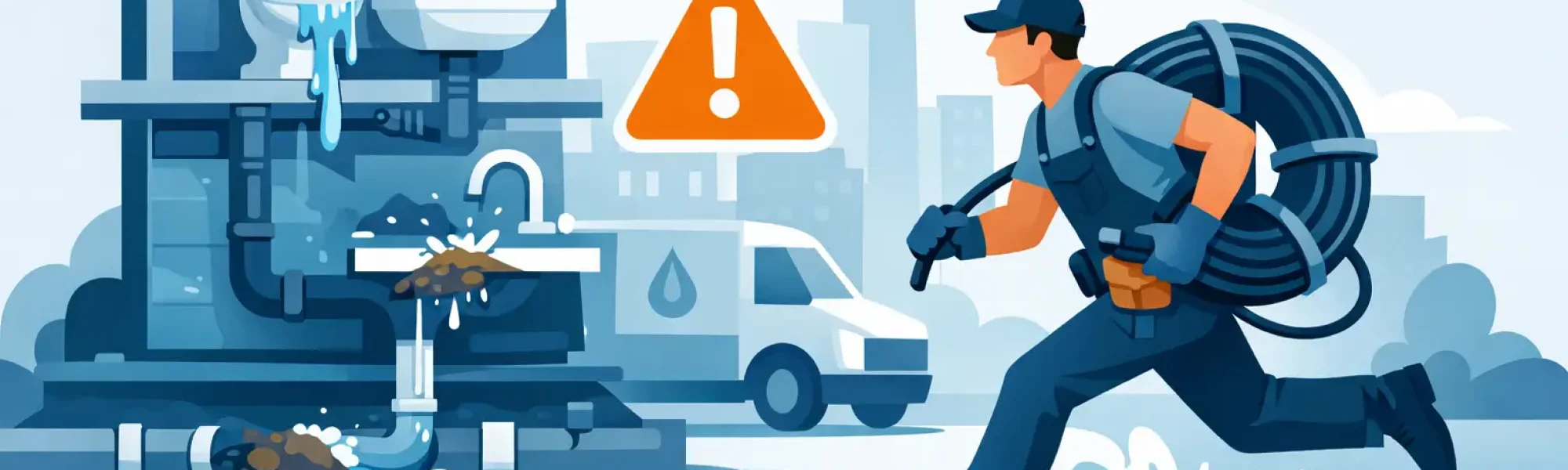
A toilet that bubbles when the washing machine drains is more than an inconvenience. Water backing up in a shower, a sink that gurgles, or a drain that repeatedly slows down can point to a blockage farther down the plumbing system. Prompt sewer and drain cleaning protects your home or business from messy backups, water damage, and interruptions that only get worse when the underlying problem is left in place.
For Palm Beach County property owners, a clogged drain is not always caused by one obvious item. Grease buildup, hair, soap residue, wipes, roots, scale, and problems in an aging pipe can all restrict flow. The right solution depends on where the blockage is located, what the pipe condition is, and whether the issue affects one fixture or the whole property.
What Your Drains Are Telling You
A single slow bathroom sink may have a local buildup near the stopper or trap. A kitchen sink that drains poorly often has grease and food residue collecting in the branch line. These problems may be limited to one fixture, but they still deserve attention before they become a complete blockage.
When several drains slow down at the same time, the concern is different. If the toilet, tub, and shower are all affected, the obstruction may be in a shared drain line or the main sewer line. Water will often appear at the lowest drain first, such as a first-floor shower or bathtub. That is a sign to stop using water where possible and arrange professional service.
Watch for these warning signs, especially when they recur:
- Drains that clog again shortly after being cleared
- Gurgling sounds from toilets, sinks, or tubs
- Sewage odors indoors, outdoors, or near a clean-out
- Water backing up into a tub, shower, or floor drain
- A damp, unusually green, or sunken area in the yard near the sewer route
Recurring symptoms are the key issue. A drain may appear to work again after a temporary fix, while the material or pipe condition causing the problem remains farther down the line.
Why Sewer and Drain Cleaning Is More Than Removing a Clog
Effective drain service begins with determining what is actually blocking flow. A professional may clear a localized stoppage with the appropriate cable or cleaning equipment, then verify that water is moving freely. For tougher or repeated blockages, the technician may recommend a video pipe inspection to see inside the line.
A camera inspection can identify grease accumulation, heavy scale, root intrusion, separated pipe sections, cracked piping, or a low area where waste repeatedly collects. This matters because the best repair for a grease-clogged kitchen line is not necessarily the best response to roots in a sewer lateral. Clearing the line restores use, but a damaged pipe may need repair or replacement to prevent continued backups.
Commercial properties have an additional concern. Restaurants, offices, retail spaces, and multi-unit buildings can put more demand on shared drains throughout the day. A partial blockage can become an operational problem quickly when restrooms, break rooms, or floor drains are in regular use. Early service helps limit disruptions for employees, tenants, and customers.
Common Causes of Drain and Sewer Blockages
Many residential clogs begin with ordinary daily use. Hair combines with soap residue in shower and tub drains. Cooking grease cools and sticks to the inside of kitchen piping, gradually narrowing the passage. Coffee grounds, food scraps, and fibrous materials can add to the buildup even when a garbage disposal is present.
Toilets and sewer lines face a different type of misuse. Only toilet paper and human waste should be flushed. Products described as flushable can still collect in pipes, catch on rough surfaces, and contribute to a serious blockage. Paper towels, feminine hygiene products, diapers, cotton swabs, and wipes belong in the trash.
Outside the building, roots naturally seek moisture and can enter older sewer lines through joints or small cracks. Once inside, they trap paper and debris. Palm Beach County’s warm conditions can support frequent root growth, making recurring sewer-line problems worth investigating rather than repeatedly treating as a simple clog.
Pipe age and material also matter. Corrosion, mineral scale, shifting soil, and deteriorated joints can reduce the inside diameter of a pipe or create rough spots that snag waste. In these cases, drain cleaning may restore flow and provide immediate relief, but inspection helps determine whether a more permanent repair is advisable.
What to Do Before a Plumber Arrives
If sewage is backing up or water is rising in a fixture, stop running faucets, flushing toilets, using the dishwasher, and operating the washing machine. Adding more water to a blocked main line can force wastewater out through a lower drain.
Do not keep pouring chemical drain cleaners into a slow or blocked line. These products can be harsh on certain piping, may not reach the actual obstruction, and can create a safety concern for anyone working on the drain afterward. A plunger can be useful for a simple toilet or sink clog, but repeated forceful plunging will not correct roots, heavy grease buildup, or a damaged sewer pipe.
If it is safe to do so, make note of which fixtures are affected and when the problem began. Let the technician know whether the issue occurs after flushing, showering, doing laundry, or using a particular sink. Those details help narrow the diagnostic process and support a more efficient repair.
When Cleaning Is Enough and When Repairs Are Needed
Not every drain problem requires pipe replacement. A line blocked by buildup, hair, grease, or an isolated foreign object can often be cleared and returned to normal service. Preventive cleaning may also make sense for properties with a known history of buildup or high drain use.
However, cleaning has limits. If a camera reveals a broken line, severe corrosion, recurring root intrusion, or a section of pipe that has shifted out of alignment, the blockage is likely to return until the pipe problem is addressed. A qualified plumber can explain the condition of the line, the available repair options, and whether immediate work is necessary or monitoring is reasonable.
This practical distinction can help property owners avoid two costly mistakes: replacing a line that only needs thorough cleaning, or repeatedly clearing a line that has a structural failure. The goal is dependable drainage, not a short-lived workaround.
Practical Habits That Help Protect Your Drains
Good drain habits reduce the chance of emergency service, although they cannot prevent every plumbing problem. Keep grease out of the kitchen sink by collecting it in a disposable container after it cools. Use sink strainers to catch food scraps and bathroom hair, and empty them regularly. Run water during and after garbage disposal use, but remember that a disposal is not designed for grease, bones, stringy vegetables, or large quantities of food waste.
For properties with mature landscaping or older sewer piping, consider professional evaluation at the first sign of repeated slow drains. Waiting for a complete backup often turns a manageable service visit into an urgent cleanup situation.
North County Plumbing provides 24/7 drain clearing, sewer service, and video inspection for homeowners and commercial property operators throughout Palm Beach County. A trained professional can identify whether the issue is a local fixture drain, a shared building line, or the main sewer connection, then recommend work based on what the system actually needs.
When a drain begins to warn you with slow flow, gurgling, or a backup, respond before the next load of laundry or busy business day turns it into a larger problem. Fast, accurate service keeps wastewater where it belongs and helps your property stay ready for normal use.