
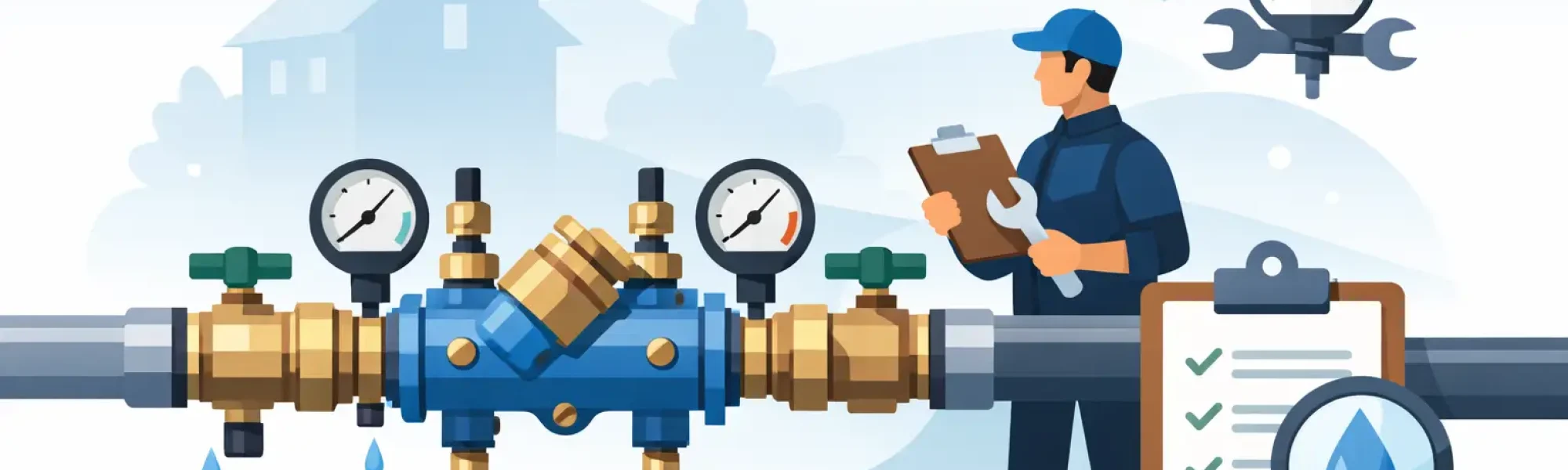
A backflow device may be a small part of your plumbing system, but it protects something every home and business depends on: clean water. Backflow installation and certification ensure water flows in the right direction and help prevent contaminated water from entering your potable water supply. For Palm Beach County property owners, keeping this equipment properly installed, tested, and maintained is a practical part of protecting the property and meeting water-system requirements.
What Is Backflow and Why Does It Matter?
Your plumbing system is designed to move clean water from the public supply into your building. Under normal pressure, water travels one way. Backflow occurs when a pressure change causes water to move in the opposite direction, potentially drawing non-potable water back toward the drinking-water system.
This can happen through two common conditions. Backpressure occurs when pressure on the property side of the plumbing system becomes greater than the pressure from the public water supply. A boiler, irrigation pump, elevated piping, or certain commercial equipment can create this condition. Backsiphonage occurs when the public water supply loses pressure, such as during a water-main break, firefighting event, or heavy demand period. That pressure drop can create suction within connected plumbing lines.
The concern is cross-connection. A hose left in a pool, a lawn chemical tank connected to an irrigation system, commercial cleaning equipment, medical or food-service equipment, and fire sprinkler systems can all present varying levels of risk. A properly selected backflow preventer provides a barrier between those systems and the drinking-water line.
When Backflow Installation Is Needed
Not every property has the same plumbing layout or risk level. A single-family home may need protection for an irrigation connection, pool fill line, or specialty water system. Commercial buildings often have more complex requirements because they may use fire protection piping, commercial kitchens, cooling equipment, manufacturing processes, or multiple water connections.
Backflow installation is often required when a new irrigation system, fire line, commercial water service, or other potential cross-connection is added. It may also become necessary after a renovation, change of use, failed inspection, water-service upgrade, or notice from the local water provider.
The correct device depends on the application. Common assemblies include pressure vacuum breakers, double check valve assemblies, reduced pressure zone assemblies, and spill-resistant vacuum breakers. These devices are not interchangeable. The level of hazard, location of the equipment, piping arrangement, and local requirements all affect the proper choice.
For example, an irrigation system may need one type of protection while a commercial property with a higher-hazard connection may require a reduced pressure zone assembly. Installing a device that is undersized, incorrectly oriented, difficult to access, or not approved for the use can create problems during testing and inspection. A professional plumber evaluates the full connection before recommending the installation.
Placement and access affect long-term service
A backflow assembly needs more than the right model number. It needs a location that allows testing, repair, drainage, and protection from damage. Outdoor devices can be exposed to sun, landscaping equipment, vehicle traffic, corrosion, and flooding. Equipment installed too close to a wall, in a cramped enclosure, or below a level where it can discharge safely may be difficult to certify.
In South Florida, property conditions matter. Irrigation systems are common, seasonal storms can create standing water, and commercial sites often have busy service areas. Proper piping support, shut-off valves, clearance, and protective enclosures help prevent avoidable service calls later.
What Backflow Certification Means
Backflow certification is the testing and documentation process that confirms a backflow prevention assembly is working as intended. It is not simply a visual inspection. A qualified tester uses specialized gauges to check the internal valves, check valves, relief valve operation when applicable, and pressure performance.
Many water providers require testing at installation and at regular intervals afterward, often annually. The exact schedule and reporting procedure depend on the local utility, the type of assembly, and the property’s water-service requirements. Property owners should follow the notice they receive from their water provider rather than assume every device follows the same timetable.
A passing test provides confidence that the assembly is functioning at the time of inspection. It also creates the documentation a utility or property manager may need to keep on file. For commercial operators, timely certification can help avoid compliance issues that disrupt a tenant, kitchen, irrigation schedule, or facility operation.
Certification is different from installation
A device can be installed correctly and still need periodic testing. Internal components wear over time. Springs can weaken, seals can deteriorate, debris can interfere with moving parts, and valves can develop leaks. Certification identifies these problems before a backflow event exposes the water system to contamination risk.
The reverse is also true: a failed test does not always mean the entire assembly must be replaced. In some cases, repair parts can restore proper operation. The practical decision depends on the device’s age, condition, availability of parts, repair cost, and whether the existing assembly remains appropriate for the application.
What Happens if a Device Fails Testing?
When a backflow assembly fails, the next step is diagnosis, not guesswork. A trained plumbing professional checks for issues such as worn check valves, damaged rubber components, fouled seats, leaking shut-off valves, relief valve discharge, corrosion, or freeze and impact damage.
Repair is often a sensible option for a newer, serviceable unit with a straightforward internal problem. Replacement may be the better investment when the device is severely corroded, repeatedly fails, lacks available parts, no longer meets current requirements, or is installed in a way that prevents reliable service.
A failed backflow device should be addressed promptly. Even if water is still flowing normally to fixtures, the assembly may not be providing the protection it was installed to provide. If a utility has issued a correction notice, delaying service can lead to additional notices or potential interruption of water service, depending on the provider’s policies.
How Property Owners Can Prepare for Service
A little preparation helps a backflow test or repair go smoothly. Make sure the technician can access the assembly, especially if it is behind a locked gate, within a mechanical room, or in a landscaped area. Remove stored items, overgrown plants, and other obstructions around the equipment when possible.
If you manage a commercial property, identify whether the assembly serves irrigation, domestic water, fire protection, or a specific tenant system. This information helps the plumbing professional coordinate the work and explain whether a temporary water shutdown may be necessary. For fire-related assemblies, service may require additional coordination so the property remains properly protected.
It also helps to keep prior test reports, repair records, and utility notices available. Those documents can show the assembly’s history and help determine whether a recurring issue is related to the device itself, water pressure, site conditions, or an installation concern.
Professional Backflow Installation and Certification in Palm Beach County
Backflow work calls for precise installation, reliable testing, and clear documentation. North County Plumbing provides backflow installation, testing support, repairs, and replacement for residential and commercial customers throughout Palm Beach County. The goal is straightforward: install the right protection, keep it serviceable, and address problems before they become a larger water-quality or compliance concern.
For a homeowner, that may mean protecting an irrigation system or pool-related connection. For a property manager or business operator, it may involve coordinating service around tenant operations, equipment access, water shutoffs, and required certification deadlines. The right approach depends on the property, but the standard should remain the same: professional work, accurate testing, and a device that can be maintained over time.
A current certification is more than a form to file. It is a practical check on the plumbing connection between your property and the public water supply. If you have received a testing notice, are planning an irrigation or commercial plumbing project, or have a device that is leaking or difficult to access, scheduling service early gives you more options and less disruption.