
A slow drain can look like a simple clog, but the real issue may be farther down the line. A video pipe inspection service gives homeowners, property managers, and commercial operators a clear view inside drain and sewer piping so repairs can be based on facts, not assumptions. Instead of repeatedly clearing a line that keeps backing up, a trained plumbing professional can locate the condition causing the trouble and recommend the right next step.
For properties in Palm Beach County, that information can prevent unnecessary digging, reduce repeat service calls, and help protect a home or business from the disruption of a sewer backup.
What a Video Pipe Inspection Service Shows
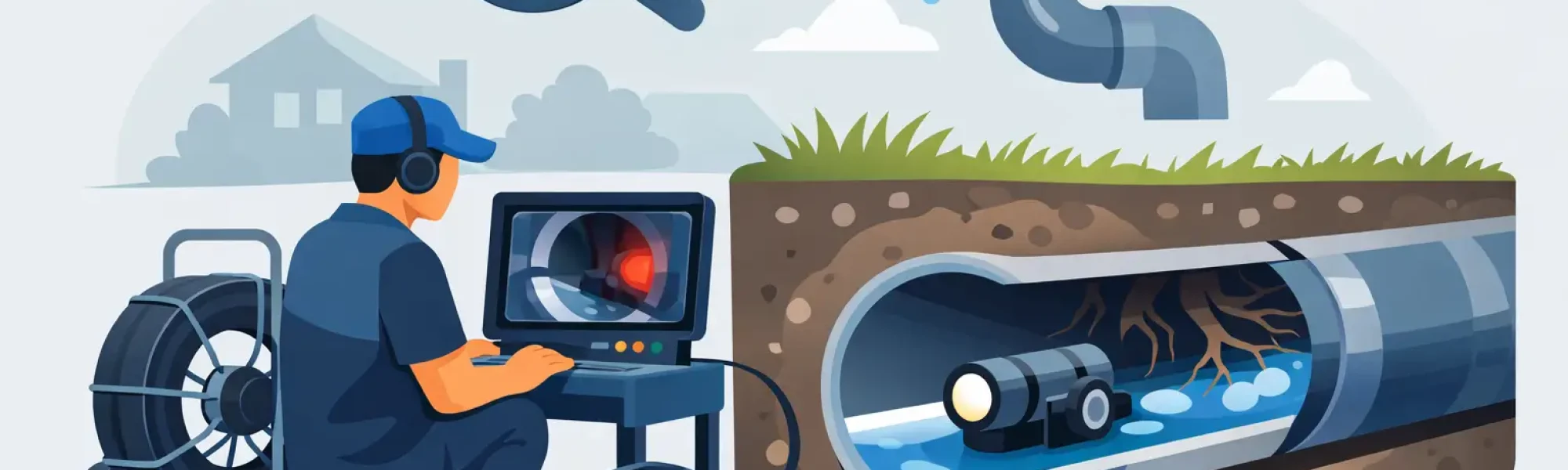
During a pipe camera inspection, a plumber feeds a small waterproof camera attached to a flexible cable into an accessible drain, clean-out, or sewer line. The camera sends live video to a monitor as it moves through the pipe. This allows the technician to inspect the interior of the line and identify where the problem begins.
The camera can reveal many conditions that cannot be confirmed from above the ground or through a drain opening. These include heavy grease buildup, root intrusion, cracked or separated pipe, scale deposits, collapsed sections, construction debris, and objects lodged in the line. It can also show whether a pipe has standing water, poor slope, or an offset connection that catches waste and debris.
The inspection does not automatically mean a major repair is needed. Sometimes the video confirms that professional drain cleaning is the appropriate solution. In other cases, it shows that cleaning alone will only provide temporary relief because the pipe itself is damaged or compromised. Seeing that difference matters when deciding where to invest in repair work.
When to Schedule Video Pipe Inspection Service
A one-time clogged sink may not require a camera inspection. A plunger or routine drain cleaning may be enough, depending on the fixture and the cause. However, recurring problems are a strong reason to inspect the line rather than continue treating the symptom.
Consider scheduling an inspection when drains repeatedly run slowly, toilets bubble when another fixture is used, or water backs up into a tub or shower. These signs can point to a blockage in a branch line or the main sewer line. Unpleasant sewer odors, wet areas near a sewer line, and unexplained changes in the lawn can also warrant professional diagnosis.
For commercial properties, inspections are particularly useful when restrooms, floor drains, kitchen drains, or shared plumbing lines create repeated service interruptions. A restaurant may have grease accumulation. A multi-unit building may have a main line that is affected by roots or aging pipe connections. A camera inspection helps a property manager understand the actual condition before authorizing repeated clearing or larger repairs.
Older properties deserve special attention. Aging cast iron, clay, and older pipe connections can develop corrosion, cracks, scale buildup, and joint separation over time. Newer homes are not immune, either. Settlement, landscaping roots, improper installation, or materials left in a line during construction can create problems in any type of plumbing system.
Before Buying or Renovating a Property
A sewer camera inspection can be a practical part of due diligence before purchasing a home or commercial building. The interior plumbing fixtures may appear to work during a brief visit, while a buried sewer line has a developing issue that has not yet caused a complete blockage.
It is also useful before major remodeling work. If a kitchen, bathroom, laundry room, or commercial space is being upgraded, understanding the condition of existing drain piping helps avoid surprises after new finishes are installed. A small diagnostic step before construction can be far less costly than opening walls, floors, or landscaping later.
Why Camera Diagnostics Save Time and Disruption
Without visual confirmation, drain and sewer diagnostics can involve a degree of educated judgment. An experienced plumber can often recognize symptoms, but a camera provides evidence of what is happening inside the pipe. That leads to a more targeted recommendation.
For example, if the inspection shows a dense accumulation of grease or debris in an otherwise sound line, professional cleaning may restore proper flow. If the camera shows roots entering through a broken joint, cleaning can remove the immediate blockage, but repairing the affected section may be necessary to prevent the problem from returning. If a line is collapsed, no amount of routine clearing will correct the structural failure.
A video inspection also helps identify the location of a defect. That can limit excavation when underground repair is required. Rather than disturbing a large portion of a yard, driveway, slab area, or commercial site, the plumbing team can focus its work on the affected area when conditions allow.
There are limits to what a camera can see. A line that is completely blocked may need to be cleared before the camera can travel through it. Extremely deteriorated piping can also restrict camera movement. Even so, the inspection remains one of the most useful diagnostic tools for determining whether a drain problem is routine or a sign of a larger sewer-line concern.
What to Expect During the Inspection
The process usually begins with a discussion of the symptoms. A technician may ask which fixtures are affected, how long the issue has been occurring, whether there has been a recent backup, and what prior drain work has been performed. These details help determine the best access point and whether clearing should be completed before the inspection.
The technician then inserts the camera through a clean-out or another suitable opening. As the camera moves through the pipe, the technician watches the video feed and notes visible conditions. The inspection may include measuring the distance to a blockage or damaged area so its location can be identified more accurately.
Afterward, the plumber should explain the findings in plain language. A helpful recommendation distinguishes between work that is urgent, work that can be planned, and preventive maintenance that may reduce future trouble. Customers should understand whether the line needs cleaning, repair, replacement, or monitoring, along with why that recommendation is being made.
For a residential homeowner, this may mean deciding whether to schedule a repair before the next family gathering or seasonal rain event. For a commercial operator, it can mean planning work around business hours to reduce downtime. The right approach depends on the severity of the condition, the type of property, and the risk of waiting.
Common Problems Found Inside Sewer and Drain Lines
Tree roots are among the most common causes of recurring sewer trouble. Roots seek moisture and can enter through small gaps at joints or cracks. Once inside, they catch paper and waste, creating a blockage that gradually worsens. Removing roots can restore flow, but the opening that allowed them in may still require repair.
Grease is another frequent issue, especially in kitchen lines and food-service facilities. Hot grease may travel down a drain as a liquid, then cool and cling to the pipe walls. Over time, it narrows the passage inside the pipe. Wipes, hygiene products, paper towels, and other non-flushable items can add to the blockage.
Pipe damage is more varied. Cast iron can corrode internally and develop rough, scaled surfaces. Clay and older jointed pipe can shift or separate. Plastic piping can crack from physical damage or improper support. A camera inspection helps separate a maintenance issue from a pipe-condition issue, which is critical when planning a lasting repair.
Choosing the Right Plumbing Partner
Camera equipment is valuable, but the service depends on the professional interpreting what appears on the screen. The goal is not simply to identify a dark spot in a pipe. It is to connect the video findings to the symptoms at the property and recommend a repair that fits the situation.
Look for a plumbing contractor that provides drain clearing, sewer diagnostics, repair, and replacement services. That breadth matters because the same company can diagnose the issue and complete the appropriate work instead of treating the inspection as a separate, isolated task. Ask what access point will be used, whether cleaning may be needed first, and how the findings will be explained.
North County Plumbing provides video inspection and diagnostic service for residential and commercial customers throughout Palm Beach County, with trained professionals available for urgent plumbing problems around the clock. When backups, recurring clogs, or sewer concerns disrupt your property, a clear view inside the pipe is often the fastest way to make a sound decision.
A drain problem does not have to become a guessing game. Address recurring symptoms early, keep records of past service, and use camera diagnostics when the condition of the line needs to be confirmed. That practical information can help you protect your property before a small flow problem turns into a costly backup.